Featured
Table of Contents
- – The Hidden Cost of High-Functioning Anxiety
- – Bridget Balajadia
- – Depression in High Achievers: When Success Fee...
- – Perfectionism: The Trap That Resembles Excellence
- – Codependency and Self-worth: The Achievement C...
- – Integrated Therapy Approaches for Complicated ...
- – Locating the Right Therapeutic Support
Success on the outdoors commonly masks struggles on the inside. High up-and-comers frequently browse jobs, connections, and responsibilities while battling incapacitating stress and anxiety, clinical depression, and the exhausting demands of perfectionism. When outside achievements fail to peaceful interior criticism, specialized treatment approaches can assist break cycles that keep driven people caught in between achievement and satisfaction.
The Hidden Cost of High-Functioning Anxiety
High-functioning stress and anxiety provides a mystery that perplexes both victims and viewers. From the outdoors, whatever appears in control-- due dates satisfied, expectations went beyond, goals completed. Internally, nonetheless, a consistent stream of concern, self-doubt, and anxiety of failure drives every decision and action. This harshness between public success and exclusive suffering creates unique healing challenges that common anxiousness therapy frequently misses out on.

Bridget Balajadia
Unlike anxiety that hinders day-to-day performance, high-functioning anxiousness commonly goes unknown due to the fact that it creates outcomes. The overworked specialist who can not stop checking e-mails, the moms and dad who micromanages every information of domesticity, the student who obsesses over assignments weeks beforehand-- all demonstrate "" functional"" actions that mask profound emotional distress. Standard treatment techniques may inadvertently strengthen these patterns by focusing exclusively on stress and anxiety monitoring instead of addressing the much deeper beliefs driving the stress and anxiety.
Effective anxiousness treatment for high achievers recognizes that the objective is not simply to lower anxiety enough to preserve performance. Real healing requires examining the core ideas concerning worth, safety, and reputation that make consistent making every effort really feel like survival instead than option.
Depression in High Achievers: When Success Feels Empty
Clinical depression amongst high-functioning people typically shows up in a different way than classical discussions. Instead than noticeable withdrawal or inability to work, high-achiever anxiety regularly shows up as consistent vacuum despite success, failure to experience joy from successes, and a pervasive sense that nothing is ever sufficient. This form of depression can continue for many years prior to recognition because exterior markers of wellness mask internal depletion.
The separate between achievement and satisfaction creates extensive complication. If success was expected to bring happiness, why does each milestone really feel hollow? This concern haunts lots of high achievers who have actually organized their entire lives around objectives that failed to provide assured complete satisfaction. Anxiety therapy that resolves this details phenomenon has to go beyond symptom management to explore concerns of identification, meaning, and authentic need.
Many driven people discover with therapy that their anxiety originates from living according to internalized "" shoulds"" instead of authentic desires. Years of optimizing for others' authorization, outside recognition, or culturally suggested success pens leave little room for self-knowledge or authentic instructions. Clinical depression becomes the subconscious's protest against this self-abandonment-- a signal that something fundamental needs attention.
[:specialty]Perfectionism: The Trap That Resembles Excellence
Perfectionism poses as a virtue in achievement-oriented cultures, yet its mental fact differs significantly from healthy and balanced making every effort. Where excellence includes establishing high requirements and feeling fulfillment from satisfying them, perfectionism develops difficult requirements combined with ruthless self-criticism regardless of outcomes. This difference confirms critical in perfectionism treatment, where the goal is not to lower requirements yet to create much healthier connections with accomplishment itself.
Nit-picker patterns usually establish as protective approaches throughout childhood years or teenage years. Possibly conditional love taught that errors meant being rejected, or chaotic settings created the idea that excellent control stops disaster. No matter beginning, perfectionism operates on the core assumption that flawlessness is both feasible and necessary for safety and security or acceptance. This difficult need generates consistent stress and anxiety, embarassment cycles, and ultimate burnout or clinical depression.
Efficient perfectionism therapy addresses these hidden ideas while aiding clients compare flexible high requirements and maladaptive perfectionism. Restorative approaches consist of:
- Determining and challenging cognitive distortions like all-or-nothing thinking and catastrophizing
- Establishing self-compassion methods that interrupt severe inner objection
- Try out deliberate imperfection to check disastrous forecasts
- Checking out childhood years beginnings of perfectionist ideas and regreting unmet demands
- Structure tolerance for unpredictability and loss of control with graduated exposure
- Reconnecting with inherent inspiration versus fear-based drivenness
The transformation from perfectionism to healthy and balanced success basically shifts one's partnership with self-- from conditional approval based upon performance to fundamental worth independent of outcomes.
Codependency and Self-worth: The Achievement Catch
High achievers often have a hard time with codependency patterns that oppose their proficient outside presentation. Codependency includes deriving self-respect mostly from others' demands, sensations, or viewpoints as opposed to interior validation. For driven individuals, this frequently materializes as uncontrollable caretaking, difficulty establishing limits, and arranging life around others' comfort while disregarding individual needs.
The link in between codependency and high achievement runs much deeper than lots of identify. Both patterns can originate from the very same core injury-- the belief that intrinsic well worth should be gained through efficiency, usefulness, or meeting others' assumptions. High achievers may substitute expert accomplishments for relational approval, however the underlying dynamic stays: worth depends on external validation as opposed to internal acceptance.
Codependency therapy for high-functioning individuals calls for addressing numerous interconnected patterns. Clients discover to identify where their feeling of self ends and others begin, recognizing how limit dissolution drives both relationship dysfunction and specialist overextension. Treatment checks out how saying yes to everything and everyone undoubtedly implies claiming no to self-- creating the animosity, fatigue, and identity confusion feature of codependency.
Self-confidence treatment within this context concentrates on establishing inner recognition systems that don't call for continuous accomplishment or approval. This confirms specifically testing for people whose whole identification has arranged around being "" the capable one,"" "" the fixer,"" or "" the high entertainer."" Finding out to derive worth from being rather than doing represents a basic identification shift that requires perseverance, concern, and continual restorative support.
Integrated Therapy Approaches for Complicated Presentations
Anxiety, clinical depression, perfectionism, and codependency hardly ever exist in seclusion among high up-and-comers. These patterns usually interweave in complicated manner ins which call for integrated restorative approaches. A nit-picker might establish anxiousness regarding maintaining impossible criteria, then experience clinical depression when certainly failing. Codependent patterns could drive overachievement as an approach for safeguarding relationships, while all at once diminishing the emotional resources needed for authentic link.
Reliable therapy acknowledges these affiliations and addresses underlying themes that extend numerous signs. Core issues frequently consist of concern of desertion, shame about fundamental worth, problem with vulnerability, and disconnection from genuine self. Therapy modalities that confirm specifically effective for high-achieving populaces consist of cognitive-behavioral techniques for tough altered reasoning, psychodynamic exploration of developmental wounds, somatic techniques for anxious system policy, and compassion-focused therapy for establishing self-kindness.
Suppliers focusing on high-achiever mental health, such as Everbe Treatment, recognize that collaborating with driven individuals requires specific restorative attunement. These clients commonly approach treatment itself with performance stress and anxiety, problem about showing up weak, or assumptions of fast outcomes. Efficient specialists produce space for vulnerability while appreciating clients' need for framework, progression metrics, and concrete tools-- meeting high up-and-comers where they are while slowly expanding capacity for self-compassion and process-oriented recovery.

Locating the Right Therapeutic Support
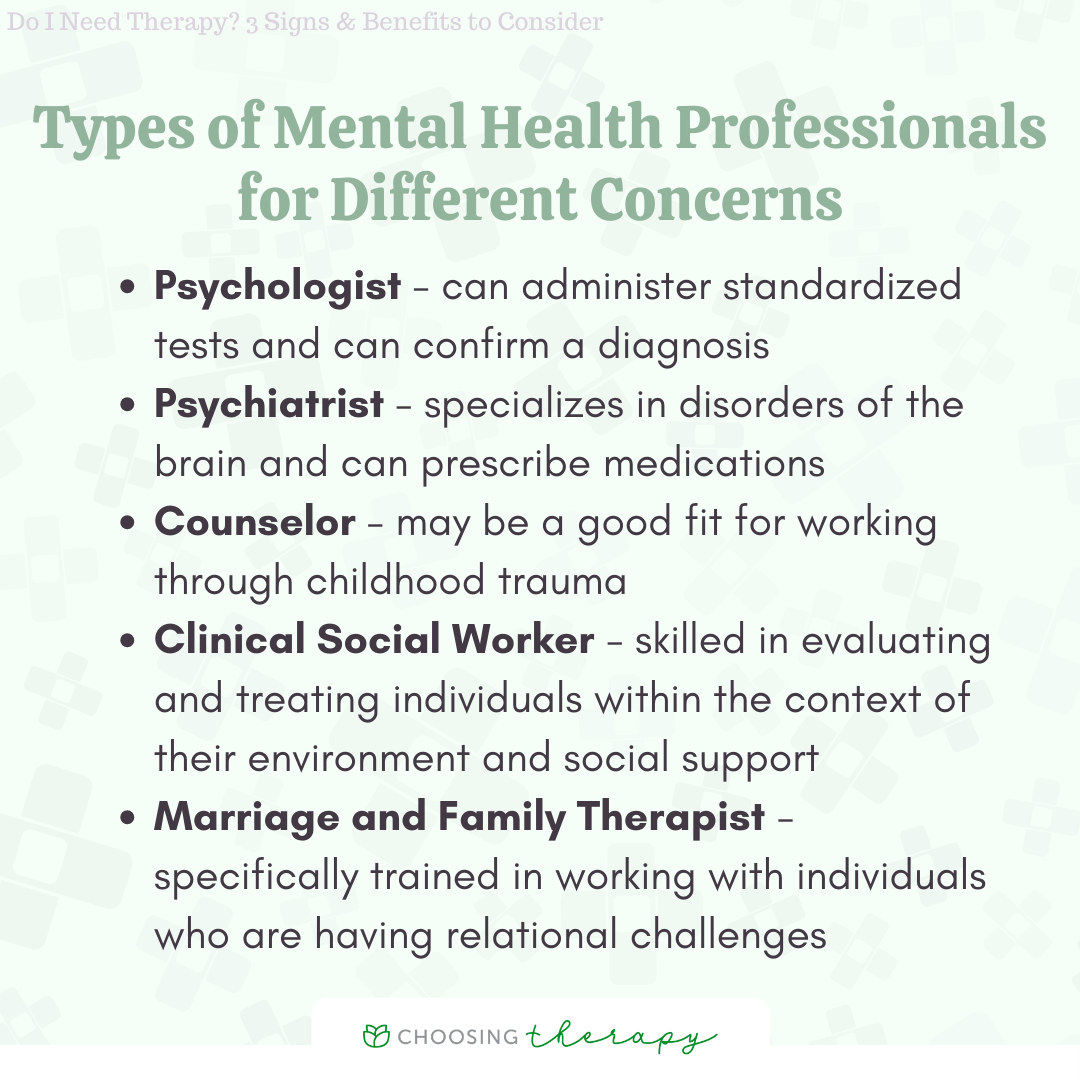
Choosing a therapist for anxiousness, clinical depression, and perfectionism in high-achieving people requires consideration beyond basic credentials. The most effective healing relationships for this population consist of several crucial elements:
- Understanding of high-functioning presentations where distress exists together with skills
- Acknowledgment that lowering signs wants if underlying worth injuries stay unaddressed
- Ability to test success alignment without reproaching drive or aspiration
- Experience with the particular struggles of professionals, entrepreneurs, or persistent overachievers
- Assimilation of evidence-based methods with relationally hip to, thoughtful presence
- Readiness to attend to cultural and systemic elements that compensate perfectionism and self-neglect
The trip from high-functioning suffering to genuine wellness requires greater than signs and symptom management. It demands basic changes in just how we define success, action well worth, and associate to ourselves. With specialized restorative support, high achievers can find that real quality arises not from fear-driven excellence however from genuine engagement with job, relationships, and life itself-- imperfections and all.

Table of Contents
- – The Hidden Cost of High-Functioning Anxiety
- – Bridget Balajadia
- – Depression in High Achievers: When Success Fee...
- – Perfectionism: The Trap That Resembles Excellence
- – Codependency and Self-worth: The Achievement C...
- – Integrated Therapy Approaches for Complicated ...
- – Locating the Right Therapeutic Support
Latest Posts
Understanding Power of Space in Strong Bonds In Couples Work
Therapeutic Methods to Transform Generational Wounds in Oakland, CA
Work-Life Balance impacting DBT Therapy Clients in Waterloo, Ontario
More
Latest Posts
Understanding Power of Space in Strong Bonds In Couples Work
Therapeutic Methods to Transform Generational Wounds in Oakland, CA
Work-Life Balance impacting DBT Therapy Clients in Waterloo, Ontario